




Showing up with a small gift in China isn’t just polite, it’s expected. You don’t need anything expensive, but you do need to show that you’ve put some thought into it. A simple, well-chosen gift can instantly make your visit more comfortable.
Here’s how to do it right.
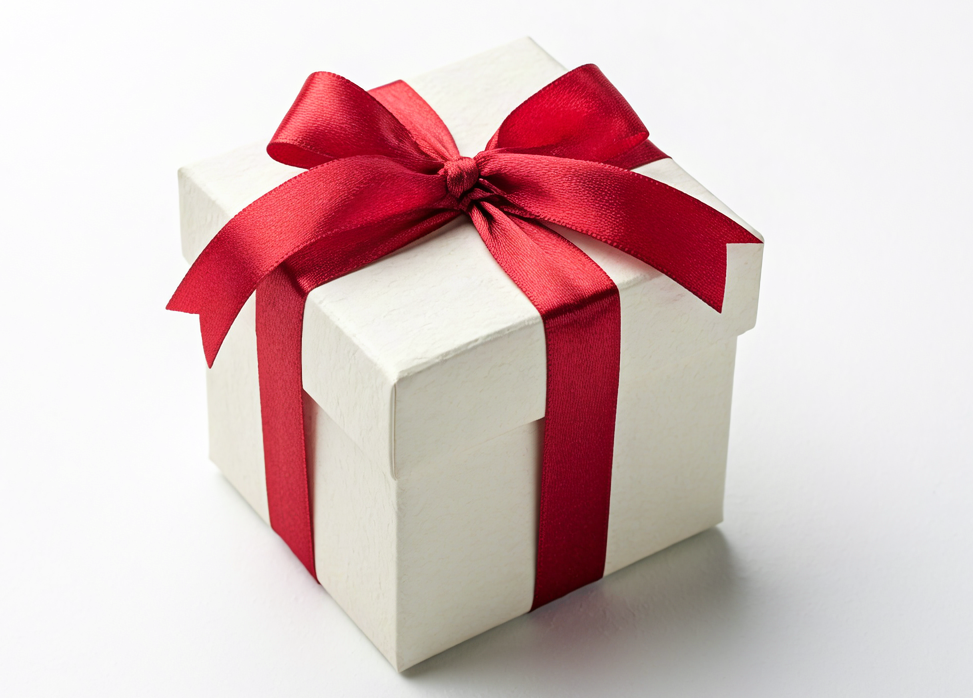
1. What Makes a Good Gift in China
In Chinese culture, gift-giving is less about price and more about thoughtfulness. A good gift is usually:
- Easy to share
- Practical
- Nicely packaged
- Not too personal
Bringing something from your own country is always a great idea. It shows effort and gives people something new to try.
2. Safe and Popular Gift Ideas
If you’re unsure, these are always good options:
Food is the safest choice. Snacks, chocolates, or local specialties from your country are especially appreciated because they can be shared.
水果 (shuǐguǒ) fruits are a classic gift and work in almost any situation.
茶 (chá) tea is another popular option, especially if it’s well packaged.
Souvenirs or small cultural items from your country are also great conversation starters.
Bringing something from your home country is often one of the best choices:
Zhè shì wǒ cóng wǒ de guójiā dài lái de
这是我从我的国家带来的
I brought this from my country
Zhè shì wǒmen nàlǐ de tèchǎn
这是我们那里的特产
This is a specialty from my hometown
3. Useful Phrases When Giving a Gift
You don’t need perfect Chinese. Just a few simple phrases can make the moment feel much warmer:
Zhè shì yīdiǎn xiǎo xīnyì
这是一点小心意
This is just a small gift
Gěi nǐmen dài le yīdiǎn dōngxi
给你们带了一点东西
I brought you something
Bù shì shénme guì de dōngxi
不是什么贵的东西
It’s nothing expensive
Xīwàng nǐ huì xǐhuān
希望你会喜欢
Hope you like it
Zhè gè hěn hǎochī, kěyǐ shì shì
这个很好吃,可以试试
This is very tasty, you can try it
Nǐmen kěyǐ yīqǐ cháng cháng
你们可以一起尝尝
You can try it together
Qǐng shōu xià
请收下
Please accept it
4. What to Avoid
There are a few cultural points to keep in mind.
Avoid giving clocks, as they are associated with funerals.
Avoid sharp objects like knives, which can imply cutting a relationship.
Be careful with the number four, which sounds like the word for death.
Also avoid gifts that are too expensive, as they may make the other person feel uncomfortable.
5. How to Give a Gift
How you give the gift matters.
Use both hands when offering it. This shows respect.
The other person may refuse once or twice before accepting. This is polite, not real rejection.
They might not open the gift immediately, which is also normal.
6. It’s Really About the Gesture
In China, gift-giving is about showing respect and building relationships. It doesn’t have to be perfect. A small, thoughtful gift, especially something from your own country, can leave a strong impression.
If you can also say a few words in Chinese, the effect is even better. People will appreciate the effort, and the interaction will feel more genuine.
If you want to feel more prepared for moments like this, eChineseLearning can help you go beyond memorizing phrases. With one-on-one lessons tailored to your needs, you can practice real-life situations like visiting friends, giving gifts, making small talk, and handling everyday interactions in China.
You’ll get personalized feedback from experienced teachers, so you know not just what to say, but how to say it naturally and confidently. You can also focus on the exact situations you care about, whether it’s meeting your partner’s family, traveling, or living in China.
You can start with a free trial lesson to see how it works. It’s a simple way to build confidence before your trip and make sure you’re ready for real conversations, not just textbook examples.
Quiz: Which of the following is usually considered a bad gift in China?
A. Tea
B. Fruit
C. A clock
D. Snacks
