




Overseas social media is buzzing with discussions about a habit that may seem unusual to outsiders: Chinese people drinking hot water. From the ever-present advice to “drink more hot water” to the warm cup that arrives at a restaurant before you even ask, this simple daily practice carries deep cultural logic and a set of useful language expressions. This article helps you understand the true meaning behind hot water culture, distinguish the words Chinese uses for different water temperatures, and master eight practical phrases you can use in everyday situations.
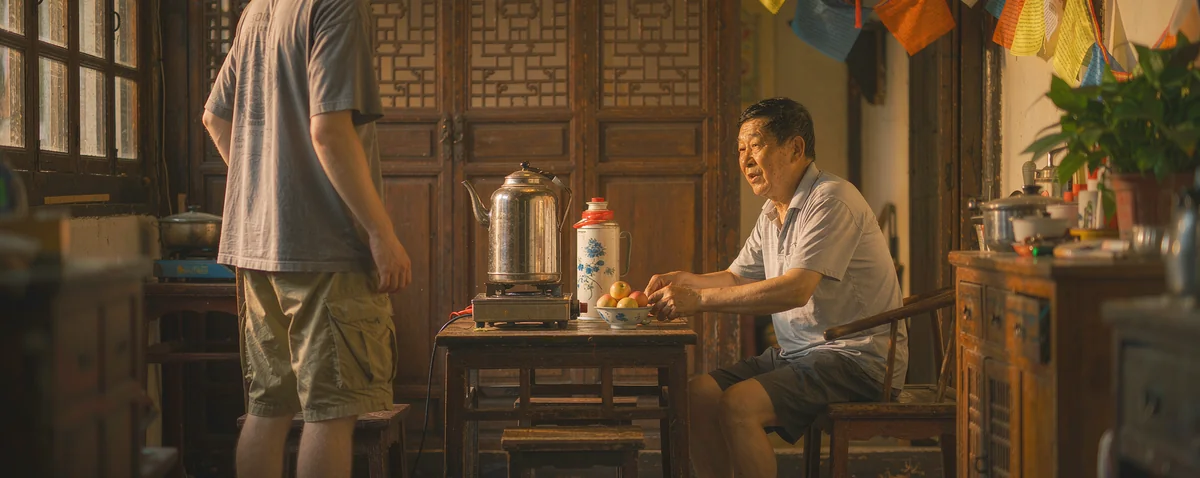 Conceptual illustration of a foreign person and a Chinese person interacting around hot water in a warm home setting
In This Article
Do Chinese People Really Drink Hot Water All the Time?
The habit of drinking hot water in China is not an exaggerated stereotype, but a daily tradition rooted in history, health philosophy, and everyday practice. From public drinking facilities to household routines, hot water plays a role in Chinese culture that goes far beyond quenching thirst.
Historical Roots
The preference for hot water has deep historical roots. In traditional Chinese health philosophy, drinking warm or hot water is believed to support digestion and help recovery from illness. This belief was reinforced by public health campaigns that encouraged boiling water for safety, especially during the early years of the People’s Republic of China. The practice of boiling water became a nationwide public health norm, and the habit stuck as a cultural default that persists today.
Beyond public health policy, traditional Chinese medicine frames water temperature within a broader framework of balancing cold and warm energies in the body. While this article focuses on language and culture rather than medical advice, understanding that the habit sits at the intersection of public health history and traditional health philosophy helps explain why it became so deeply embedded in daily life.
Real-Life Presence
In practice, you will encounter hot water almost everywhere in China. Restaurants serve warm water or tea automatically when you sit down. Offices, schools, and public spaces often have thermoses or electric kettles available. Many households keep a thermos (保温杯, bǎowēn bēi) filled with hot water throughout the day.
Not Absolute
That said, the habit is not absolute. Preferences vary by age, region, season, and individual. Young people in major cities may enjoy iced coffee or cold drinks as much as anyone, especially in summer. The hot water tradition remains strong, but China today is not a place where everyone drinks hot water at every moment.
If you want to explore more about Chinese culture for learners, check out our guide on daily Chinese expressions.
Hot Water, Warm Water, or Boiled Water? Know the Difference
Chinese has precise words for water at different temperatures. Understanding these distinctions is the first step to mastering everyday expressions related to drinking water.
| Chinese | Pinyin | English | HSK |
|---|---|---|---|
| 热水 | rè shuǐ | Hot water | HSK 1 |
| 温水 | wēn shuǐ | Warm water | HSK 1 |
| 开水 | kāi shuǐ | Boiled water | HSK 2 |
| 冷水 | lěng shuǐ | Cold water | HSK 1 |
| 冰水 | bīng shuǐ | Ice water | HSK 2 |
To build up your basic Chinese vocabulary, our vocabulary guide offers practical lists organized by theme.
8 Mandarin Phrases You Can Use in Daily Life
Each phrase below includes its HSK level and a practical example sentence, so you can practice in real context.
For more practice, explore our daily Chinese expressions resource.
 Conceptual illustration of a foreign person practicing Chinese expressions with a Chinese friend over hot water
A Real-Life Conversation: Ordering Hot Water
Here is how the expressions come together in a real restaurant dialogue.
In most Chinese restaurants, hot water or tea is served automatically when you sit down. If you specifically want plain hot water, 麻烦给我一杯热水 works perfectly. For more dining vocabulary, check our guide on ordering food in Chinese.
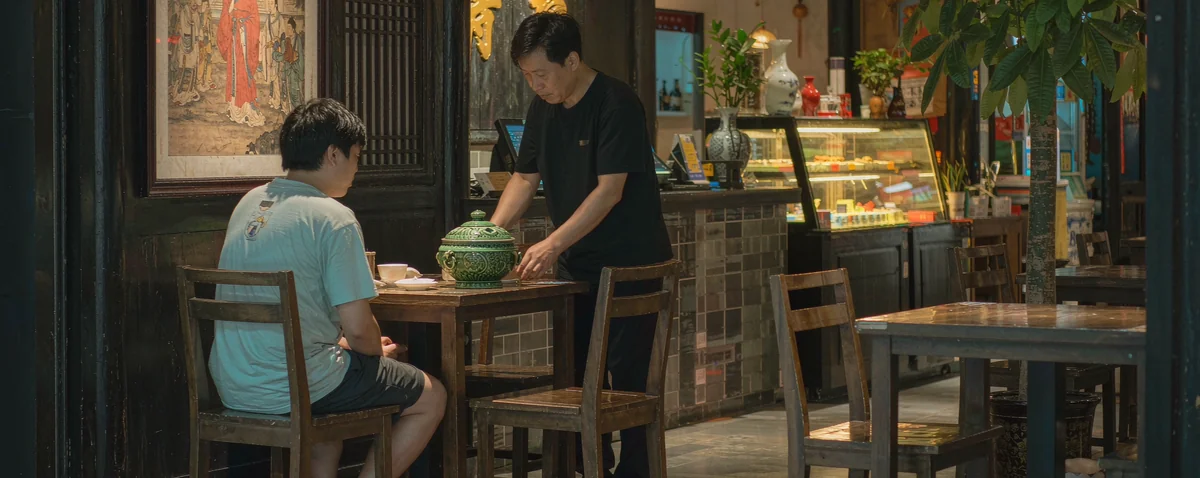 Conceptual illustration of a foreign person ordering hot water in a Chinese restaurant with a waiter
Practice These Expressions with a Chinese Teacher
Language learning requires practice. The best way to internalize these phrases is to use them in real conversations. A native-speaking teacher can correct your pronunciation, adapt examples to your situations, and help you move from knowing phrases to using them confidently.
Looking for structured learning materials? Our free Chinese vocabulary ebook covers daily expressions, HSK vocabulary, and common conversation patterns.
You can also start practicing today with a free trial lesson, where you can practice these expressions with a live native teacher.